LAUREATES 2026
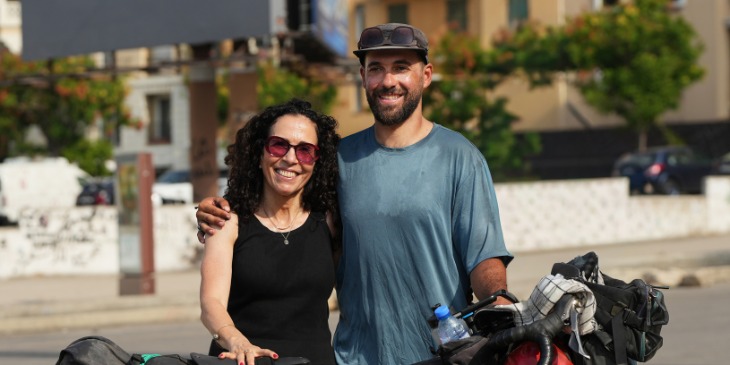
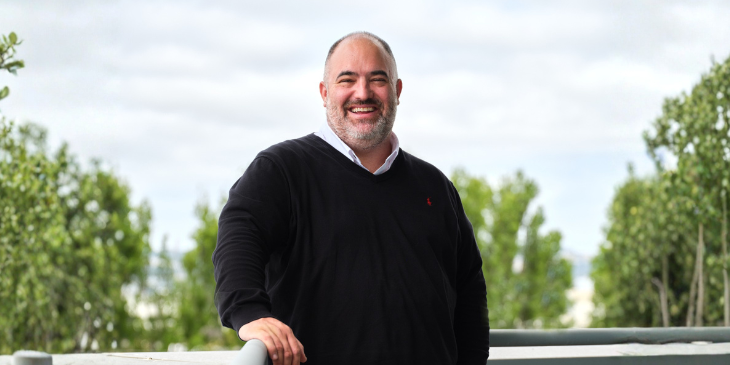
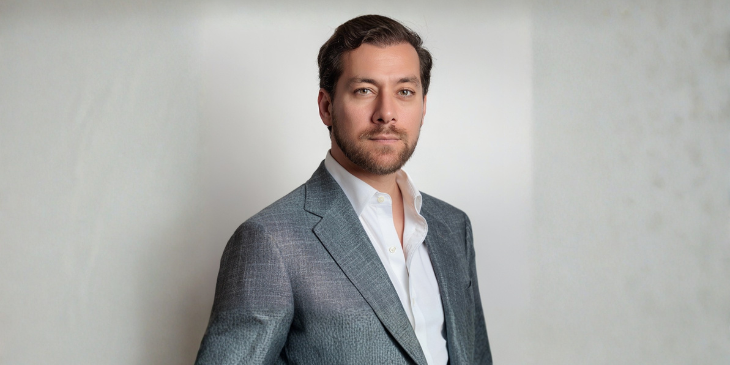
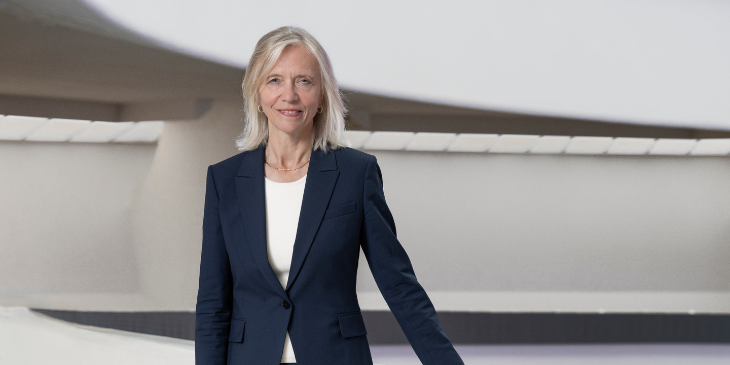
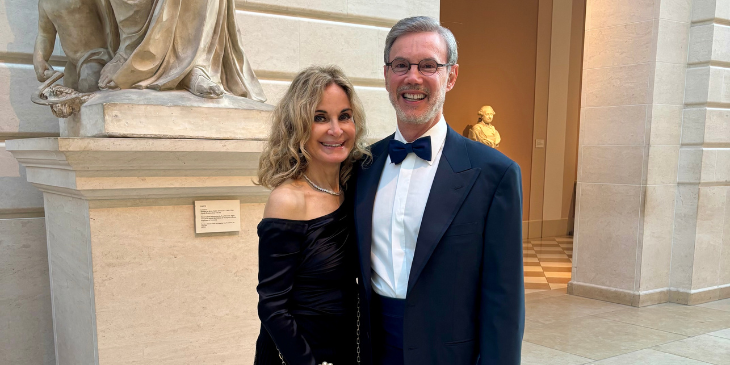
RANIA MATAR & SAMER ABOUHAMAD
Rania Matar is a Lebanese-born Palestinian/American photographer whose artistic practice reflects a deeply personal engagement with identity, displacement, womanhood, and the complexity of belonging. Born and raised in Lebanon before moving to the United States in 1984, she draws from her own cross-cultural experience as both an immigrant and a mother. Matar’s portraits of women across different geographies have been exhibited internationally at major institutions, including the Museum of Fine Arts Boston, LACMA, Carnegie Museum of Art, ICA/Boston, National Museum of Women in the Arts, Minneapolis Institute of Art, Fotografiska, and Institut du Monde Arabe, among others. Her work is represented in multiple museum collections, has been the subject of a mid-career retrospective, and has been recognized by numerous awards, including the Guggenheim Fellowship. She is the author of five monographs that mark the evolution of her artistic vision.
Born in Boston, Samer Abouhamad grew up with an intuitive sense of movement, curiosity, and global awareness. After studying and working in real estate finance in New York, he found himself questioning the predictability of corporate life. The Beirut explosion of 2020 was a defining moment that reconnected him with his heritage and prompted him to volunteer in Lebanon. This return led him to discover long-distance cycling as a form of travel, connection, and personal transformation. In less than three years, he completed a self-supported cycling journey across more than sixty countries and six continents, redefining the limits of exploration, endurance, and cultural engagement. Today, he speaks and writes about resilience, challenges, and the power of setting one’s own path.
Together, through photography and movement, Rania and Samer trace two complementary pathways: one through images, and the other through lived geography. Each expands the idea of home, identity, and belonging, reflecting a shared commitment to telling human stories across borders, generations, and cultures.
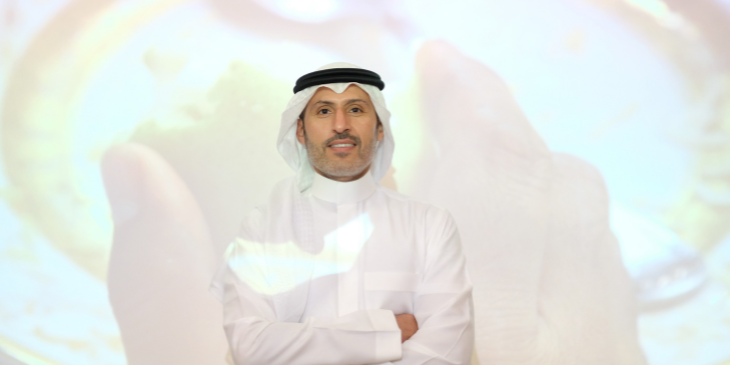
SULTAN BIN FAHAD
Sultan bin Fahad is a Saudi Arabian artist known for his unique approach to culture and memory. Educated between Saudi and California, with a BA in Business Administration from King Saud University and an MBA from the University of San Francisco, bin Fahad is informed by place and impermanence through his abstract drawings, paintings, sculptures, and installations. Connecting the past to the present day, the core of his works lies in how they’re able to evoke the multi-layered journey(s) between the latent relationship of what is remembered and that which remains in the after, contained within the corporeal, and tethering both to his paintings and their themes for all to partake in. He has served as a Senior Advisor in the Saudi Commission for Tourism and National Heritage as well as the Ministry of Culture.
Through his career as an artist, bin Fahad’s central theme and object of concern are material cultures within his native Saudi Arabia and their evolution over time. He lives between Riyadh and New York City, reinterpreting history and stories by engaging with the mix of those tangible cultures; transposing tried and true narratives on the contemporary to reassess them with a personal take on Saudi Arabia, the Middle East, and the wider world. His works focus on contemporary moments and timeless histories, and include the Desert Kite installation, the GwPow series, the Masalaci installation, the Red Palace, and Cncve, which have been featured in Desert X at Al Ula, in Athr Gallery and Khuzam Palace in Jeddah, in his native Riyadh, in Leila Heller Gallery in New York respectively, and others across various exhibitions, festivals, biennales. His works have also been acquired by the Guggenheim Abu Dhabi, the Palestine Museum, the King Abdulaziz Center for World Culture at Ithra Museum, the Toledo Museum, and the Saudi Arabian Ministry of Culture Collection, among other institutions.
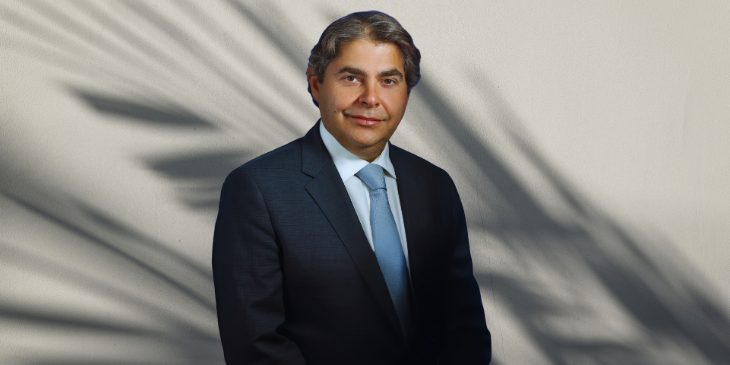
DR. ALI BYDON
Dr. Ali Bydon is a distinguished neurosurgeon, academic leader, and internationally recognized expert in spine surgery. He serves as Director of the Division of Spine Surgery and the Neurosurgical Spine Center at the Johns Hopkins University School of Medicine, where he also holds the endowed Ziya Gokaslan Professorship of Neurosurgery and the role of Vice Chair for Strategic Planning within the Department of Neurosurgery. Dr. Bydon’s clinical practice encompasses minimally invasive techniques and complex surgical interventions for degenerative spinal disorders, spinal tumors, trauma, and spinal reconstruction. He is widely regarded for advancing operative approaches and improving spine surgery outcomes. His clinical expertise is supported by active membership in leading professional societies, including the American Association of Neurological Surgeons and the Congress of Neurological Surgeons.
After receiving his medical degree from the University of Michigan School of Medicine, Dr. Bydon completed his residency in neurological surgery at Henry Ford Hospital, followed by fellowships focused on minimally invasive spine surgery, peripheral nerve surgery, and complex spinal oncology at Johns Hopkins. His research emphasizes spinal biomechanics, surgical outcomes, and innovative treatment strategies for spinal disease. He has authored more than 265 peer-reviewed publications, contributed numerous book chapters, and delivered over 200 national and international presentations. His work has shaped contemporary understanding of cervical myelopathy, lumbar spondylolisthesis, metastatic spinal disease, and other complex conditions. A dedicated educator, Dr. Bydon has trained more than 75 practicing neurosurgeons and has been recognized with honors such as the Richard Otenasak Faculty Teaching Award and the Chairman’s Neurosurgical Teacher of the Year Award. He has also provided international leadership through Johns Hopkins Medicine International, directing clinical and educational initiatives in Lebanon and Brazil.
Having performed more than 5,000 spinal operations, Dr. Bydon continues to define new standards in spine surgery, integrating academic research, innovation, and patient-centered care to advance the future of neurosurgical practice.
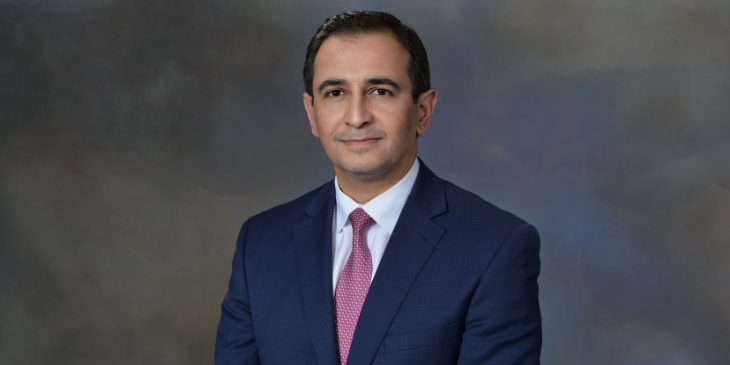
DR. HASHEM EL-SERAG
Dr. Hashem B. El-Serag, M.D., M.P.H., is a Palestinian American physician, clinical researcher, and academic leader whose contributions have profoundly shaped the modern understanding of liver disease and hepatocellular carcinoma worldwide. He currently serves as Vice President for Learning Health System and as the Margaret M. and Albert B. Alkek Professor and Chair of the Department of Medicine at Baylor College of Medicine in Houston, Texas. Dr. El-Serag earned his medical degree from Al-Arab Medical University in Libya, completed his internal medicine training at Greenwich Hospital, Yale University, and pursued a gastroenterology fellowship at the University of New Mexico, where he also received a master’s degree in public health. He joined Baylor College of Medicine in 1999 and went on to lead the Section of Gastroenterology & Hepatology from 2007 to 2016 before assuming his current institutional leadership roles.
Internationally recognized as one of the foremost clinical epidemiologists in digestive diseases, Dr. El-Serag has produced foundational research defining the incidence, etiological factors, and epidemiological evolution of hepatocellular carcinoma. His pioneering studies were among the first to document rising HCC rates in the United States and to establish critical associations with hepatitis C, diabetes, and non-alcoholic fatty liver disease—insights that have guided public health strategies and clinical approaches to prevention and treatment.
Dr. El-Serag has received more than 90 competitive research grants and has authored over 680 scientific publications with more than 123,000 citations, including major work in New England Journal of Medicine, JAMA, Annals of Internal Medicine, and Gastroenterology. He has been ranked among the world’s top 1 percent most cited clinical scientists for over a decade. His leadership extends nationally through roles such as Editor-in-Chief of Clinical Gastroenterology and Hepatology and President of the American Gastroenterological Association, reflecting his impact on advancing research, medical education, and clinical practice in the field of gastroenterology.
STEPHEN GILLETT
Stephen Gillett is the Chairman and Chief Executive Officer of Verily, an Alphabet company focused on harnessing data science, technology, and life-science innovation to advance precision health. Before being appointed CEO, he served as Verily’s President and Chief Operating Officer, overseeing engineering, commercial operations, and strategic business development during a period of significant growth for the organization. Gillett’s career reflects more than two decades of executive leadership across global technology, cybersecurity, cloud infrastructure, digital transformation, and large-scale enterprise operations. Prior to joining Verily, he co-founded Chronicle, the Alphabet cybersecurity company that later became part of Google Cloud. He previously served as Executive Vice President, Chief Operating Officer, and board member at Symantec, a Fortune 500 enterprise technology company, where he led major organizational restructuring and modernization initiatives.
His leadership roles also include serving as Executive Vice President and President of Digital and Business Operations at Best Buy, as well as Chief Information Officer and General Manager for Digital Ventures at Starbucks, where he was part of the company’s transformation leadership team and contributed to building its digital platforms, now considered a global retail model. Throughout his career, Gillett has received broad recognition for innovation, executive leadership, and technology impact, including an appointment as a Henry Crown Fellow at the Aspen Institute and several notable distinctions from Fortune, Time Magazine, Wired, and Information Week. His work has also been cited among leading figures shaping enterprise technology and digital strategy in the United States.
Gillett holds a Bachelor of Science degree from the University of Oregon and an MBA from San Francisco State University. Today, he continues to influence the evolution of technology-enabled industries, shaping organizational strategy and advancing new models of digital, operational, and business transformation across multiple sectors.
KHALED KTEILY
Khaled Kteily is the Founder and Chief Executive Officer of Legacy, the leading digital fertility clinic for men working to transform how male reproductive health is understood, accessed, and delivered. Through technology-enabled services combining clinical care, testing, and long-term storage, Legacy seeks to redefine fertility as a shared responsibility rather than an issue historically centered only on women.
Under Kteily’s leadership, Legacy has grown from a Y Combinator startup to a national platform covered by major insurers in all 50 states, adopted by the U.S. military nationwide, and offered as an employee benefit by more than 500 employers. The company has secured more than $50 million in financing from leading venture capital firms including FirstMark Capital and Bain Capital Ventures, alongside the support of recognized figures in entertainment and culture such as Justin Bieber and DJ Khaled. Legacy has been recognized among Y Combinator’s “Top Companies,” listed by Forbes as one of “America’s Best Startup Employers,” selected by Business Insider as one of the startups most likely to become a unicorn, and included by the Financial Times among the fastest-growing companies in 2024. Before founding Legacy, Kteily worked at the World Economic Forum in Geneva and as a healthcare consultant with Oliver Wyman in Toronto. He holds a Master of Public Policy from the Harvard Kennedy School, where he studied on a full scholarship and graduated with distinction, and a degree from McGill University with a triple concentration.
Kteily is a member of the Young Presidents Organization, an Aspen Ideas Health Scholar, and was named to the “40 Under 40” by the Arab America Foundation. He has also been selected by the World Government Summit as one of the “Top 100 Arab Pioneers” and has served in leadership roles within the Harvard Arab Alumni Association, the Harvard Center for Public Leadership Alumni Council, and YPO Metro New York. Through Legacy, Khaled Kteily continues to shape a rapidly expanding field at the intersection of reproductive health, technology, and modern family planning.
DR. MARIET WESTERMANN
Dr. Mariet Westermann is the Director and CEO of the Solomon R. Guggenheim Museum and Foundation. In this role, she leads the Guggenheim’s flagship museum in New York, oversees the Peggy Guggenheim Collection in Venice, and provides collaborative leadership across the Guggenheim’s international constellation, including the Guggenheim Museum Bilbao and the future Guggenheim Abu Dhabi.
A distinguished art historian and cultural leader, Westermann previously served as Vice Chancellor of NYU Abu Dhabi, where she guided the institution’s academic and strategic development and had earlier been its founding Provost. Her earlier leadership roles include Executive Vice President of the Andrew W. Mellon Foundation, Director of New York University’s Institute of Fine Arts, and Associate Director of the Clark Art Institute. She has also taught at Rutgers University, reflecting a long-standing commitment to scholarship and higher education.
Westermann’s research and writing span Netherlandish painting, the anthropology of art, museum practice, and the evolving role of universities and cultural institutions in public life. She is recognized for bridging rigorous art-historical inquiry with institutional innovation, expanding access to the arts, and strengthening cross-cultural collaboration in museum and academic contexts. Her service extends across major cultural and educational organizations. She sits on the boards of ALIPH (the International Alliance for the Protection of Heritage in Conflict Areas), the Rijksmuseum, and the American Academy in Rome, and she chairs the Scholar Rescue Fund of the Institute of International Education, supporting threatened scholars worldwide.
Across museums, philanthropy, and higher education, Westermann has consistently advanced a vision of cultural stewardship that is intellectually rigorous, globally engaged, and deeply public-facing, strengthening institutions while widening the circle of who feels seen, represented, and welcomed by them.
CARMEN & RAY DEBBANE
Carmen and Ray Debbane are life partners whose shared values of compassion, service, and integrity evolved into a partnership of purpose, leadership, and impact. They first met as students at the American University of Beirut, built separate lives and careers abroad, and reconnected years later. Their marriage in 2009 became the catalyst for initiatives that strengthen education, inclusion, and community resilience across Lebanon and beyond.
Carmen Chahine Debbane is a driving force behind inclusive education. With a background in biology, early experience in Europe’s fashion industry, and executive training in real estate development, she developed a unique blend of creativity and entrepreneurship. Her son Charles’s learning challenges exposed the absence of services for children with learning difficulties in Lebanon. In response, Carmen founded CLES in 1999, which has since grown into a national reference, with eight centers, soon nine, offering free, comprehensive support to thousands of children each year. She expanded its reach through initiatives including Dance by CLES in partnership with the National Dance Institute of New York, the nationwide 10.10.DYS awareness campaign, scholarships for children with learning differences, and Learning Support Classes in more than 100 public schools in partnership with the Ministry of Education. To broaden her impact beyond CLES, Carmen founded CEMEDE in Brussels in 2005, an independent Euro-Mediterranean platform supporting NGOs and inclusive cultural projects. In 2026, CEMEDE will launch HasArt in Brussels, a pilot inclusion-in-art program.
Ray Debbane is the Co-Founder, President, and CEO of Invus, a global investment firm founded in 1985 and built on a continuous capital model. Under his leadership, Invus has grown into a capital pool exceeding $10 billion, with landmark investments including Keebler Foods, a long-standing partnership with Weight Watchers, and the early investment in Blue Buffalo. Ray began his career at The Boston Consulting Group and holds degrees from the American University of Beirut and UC Davis, as well as an MBA from Stanford Graduate School of Business. Alongside his business achievements, he served as Chairman of Action Against Hunger USA and later International Chairman. During Lebanon’s economic collapse, Carmen and Ray created Care by CLES, delivering essential support to tens of thousands of families.
Together, Carmen and Ray move forward in their shared journey, helping create opportunities where they are needed most and nurturing the belief that communities flourish through compassion, commitment, and care.